
table of contents I. Core Function & Coating Equipment TypesII. Typical Process Workflow of a CRF Production LineIII. Key Differences: CRF Lines vs. Standard Compound Fertilizer Lines In modern sustainable agriculture, matching nutrient release speed with crop absorption cycles is critical to maximizing yield and minimizing environmental runoff. Controlled-release fertilizer equipment (CRF equipment, also known […]
Description
In modern sustainable agriculture, matching nutrient release speed with crop absorption cycles is critical to maximizing yield and minimizing environmental runoff. Controlled-release fertilizer equipment (CRF equipment, also known as fertilizer coating production lines) refers to specialized machinery that applies a micro-thin polymer, resin, or sulfur layer onto granule surfaces to precisely regulate nutrient release over 30 to 120 days.
As a leading compound fertilizer equipment manufacturer and fertilizer equipment manufacturer, Taian Hongxin Environmental Protection Equipment Co., Ltd. delivers complete fertilizer processing machinery and custom coating upgrades for commercial NPK compound fertilizer production lines worldwide.
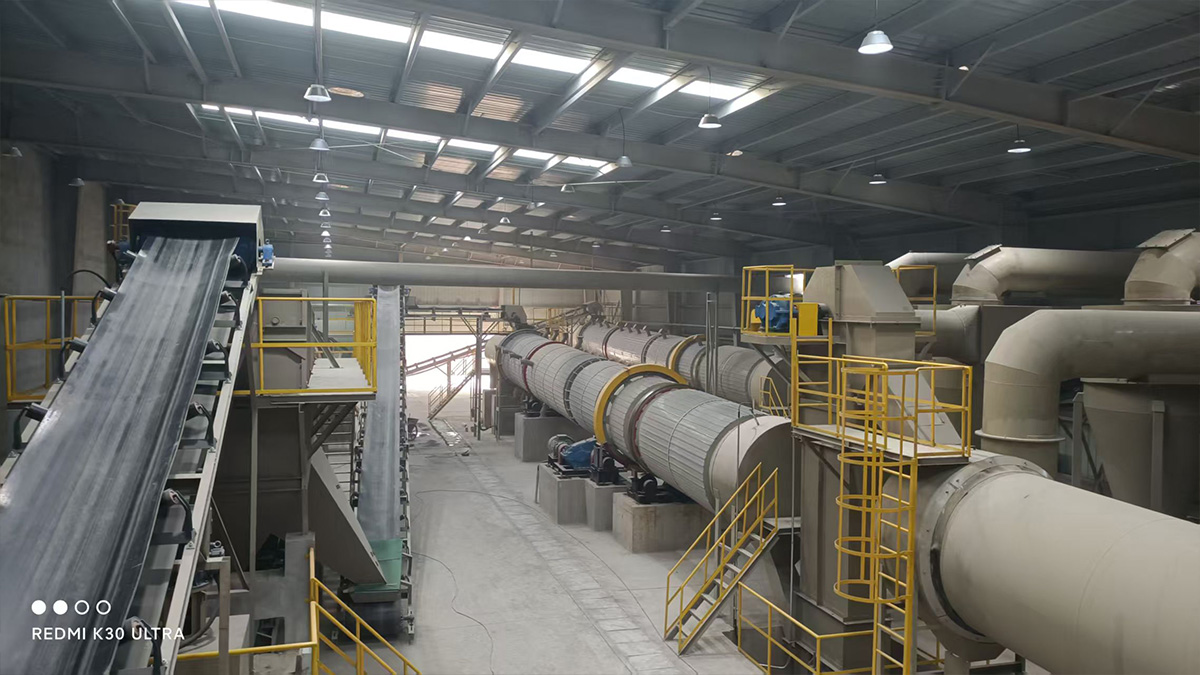
I. Core Function & Coating Equipment Types
The heart of a CRF production line is its coating system, which converts standard NPK granules into high-efficiency controlled-release products:
-
Rotary Drum Coating Machine: Offers continuous, high-volume operation; ideally suited for industrial-scale compound fertilizer lines.
-
Fluidized Bed Coater: Suspends granules in a heated air cushion for ultra-uniform polymer liquid spraying, ideal for premium specialty fertilizers.
-
Precision Thermal Spray System: Ensures rapid liquid atomization, uniform film thickness, and complete granule encapsulation without micro-cracks.
II. Typical Process Workflow of a CRF Production Line
A complete controlled-release fertilizer line builds upon the standard fertilizer production equipment by adding precision screening and multi-stage coating:
-
Step 1 (Core Granulation & Drying): Base NPK granules are formed using rotary drum or extrusion granulators, then dried and cooled.
-
Step 2 (Precision Screening): Multi-deck vibrating screens isolate ultra-uniform seed granules (typically 3.0–4.0 mm) with smooth, defect-free surfaces.
-
Step 3 (Preheating & Liquid Coating): Granules enter the coating drum, where liquid polymer, resin, or molten sulfur is atomized onto the tumbling bed.
-
Step 4 (Secondary Cooling & Curing): Cool air solidifies the liquid film rapidly, ensuring a stable, non-sticky outer barrier.
-
Step 5 (Anti-Caking & Automated Bagging): A final dusting or oil seal prevents storage clumping prior to automated bagging.
III. Key Differences: CRF Lines vs. Standard Compound Fertilizer Lines
| Comparison Factor | Standard Compound Line | CRF Coating Production Line |
| Core Process | Ends at screening and basic oil coating | Includes thermal coating drums & curing units |
| Substrate Requirements | Standard size variance allowed | Requires highly uniform, spherical base granules |
| Nutrient Efficiency | 30%-40%$ average uptake | 60%-70% uptake (2–3x efficiency boost) |
| Field Application | Requires 3–4 applications per season | Allows single-application crop feeding (1–2 times) |
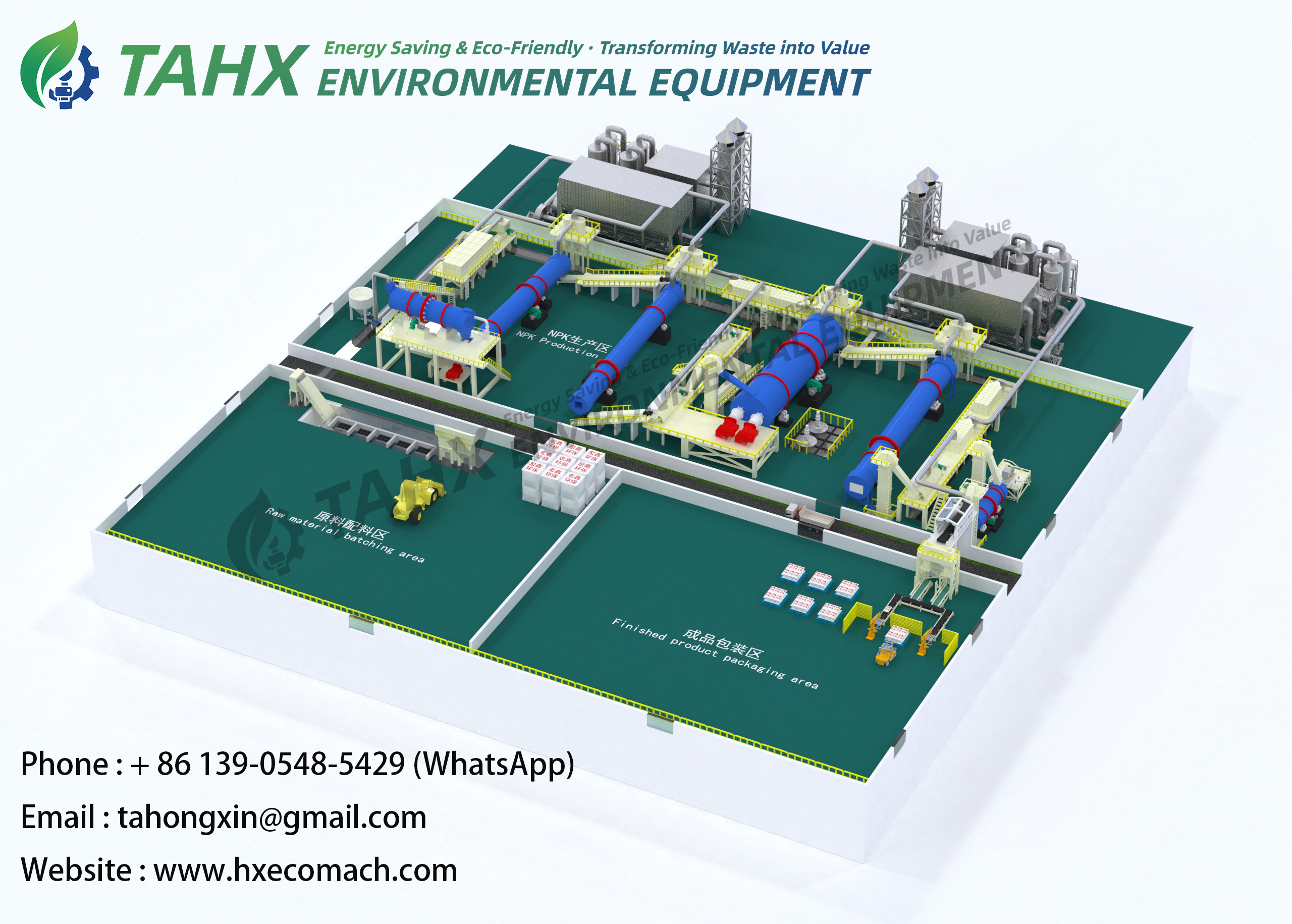
Tai'an Hongxin Environmental:
Supply of High-Quality and Efficient Fertilizer Production Equipment, Straw Processing Equipment, Waste Treatment Equipment and Mining Equipment. If you are looking for fertilizer production equipment and production lines, feel free to contact us at any time.- Whatsapp(Tel): + 86 139-0548-5429( Mr. Li)
- E-mail: tahongxin@gmail.com