Description
Need Factory Price or Custom Solution?
Get a instant quotation with product catalog within 24 hours.
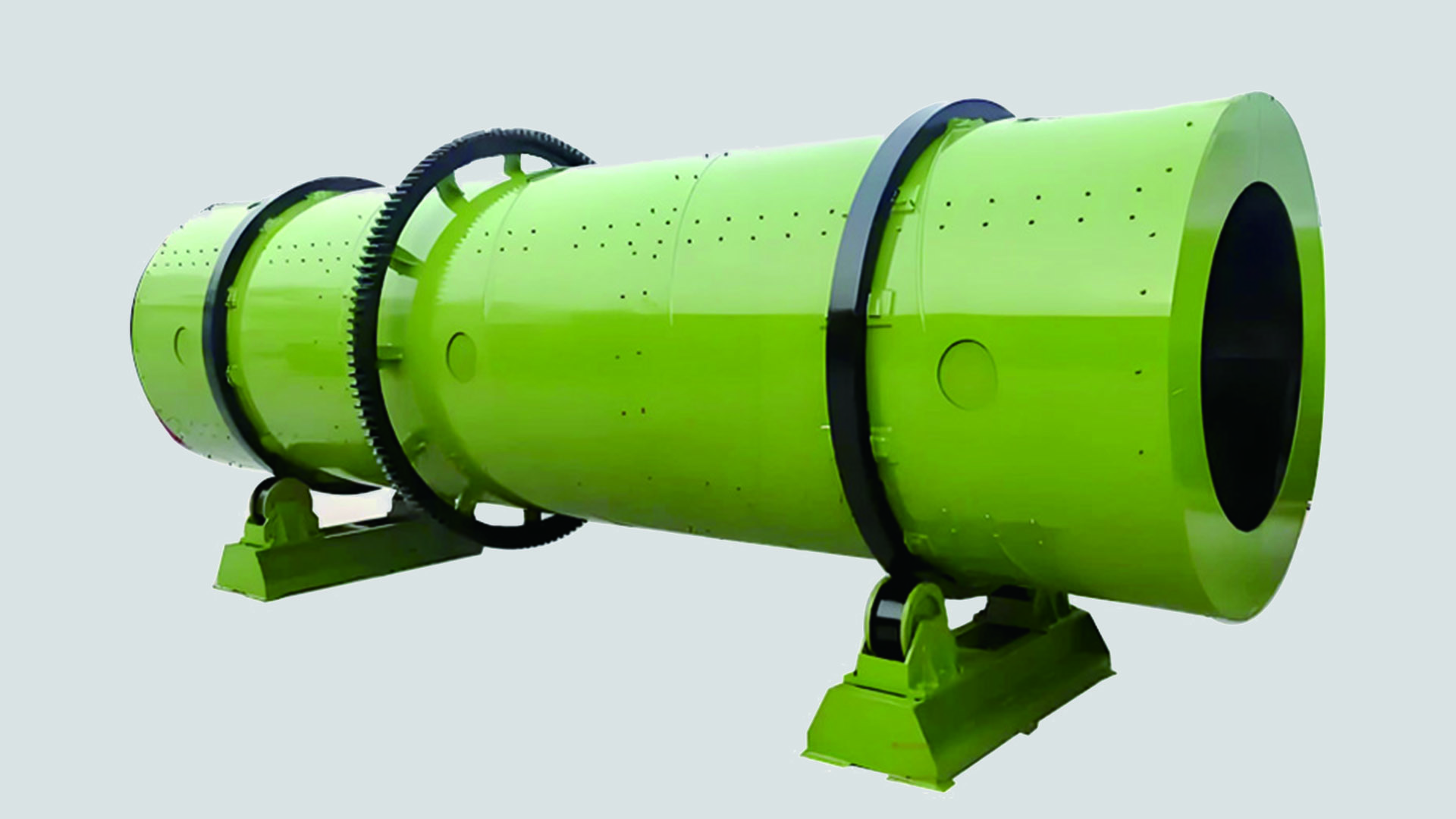
Get A Quote Now →In industrial-scale compound fertilizer production lines, NPK compound fertilizer production lines, and large organic fertilizer production lines, high output, continuous operation, and superior granule strength are essential for profitability. A rotary drum granulator (also known as a drum granulator) is a wet agglomeration continuous granulating machine designed to transform powdered raw materials into smooth, 2–8 mm spherical granules.
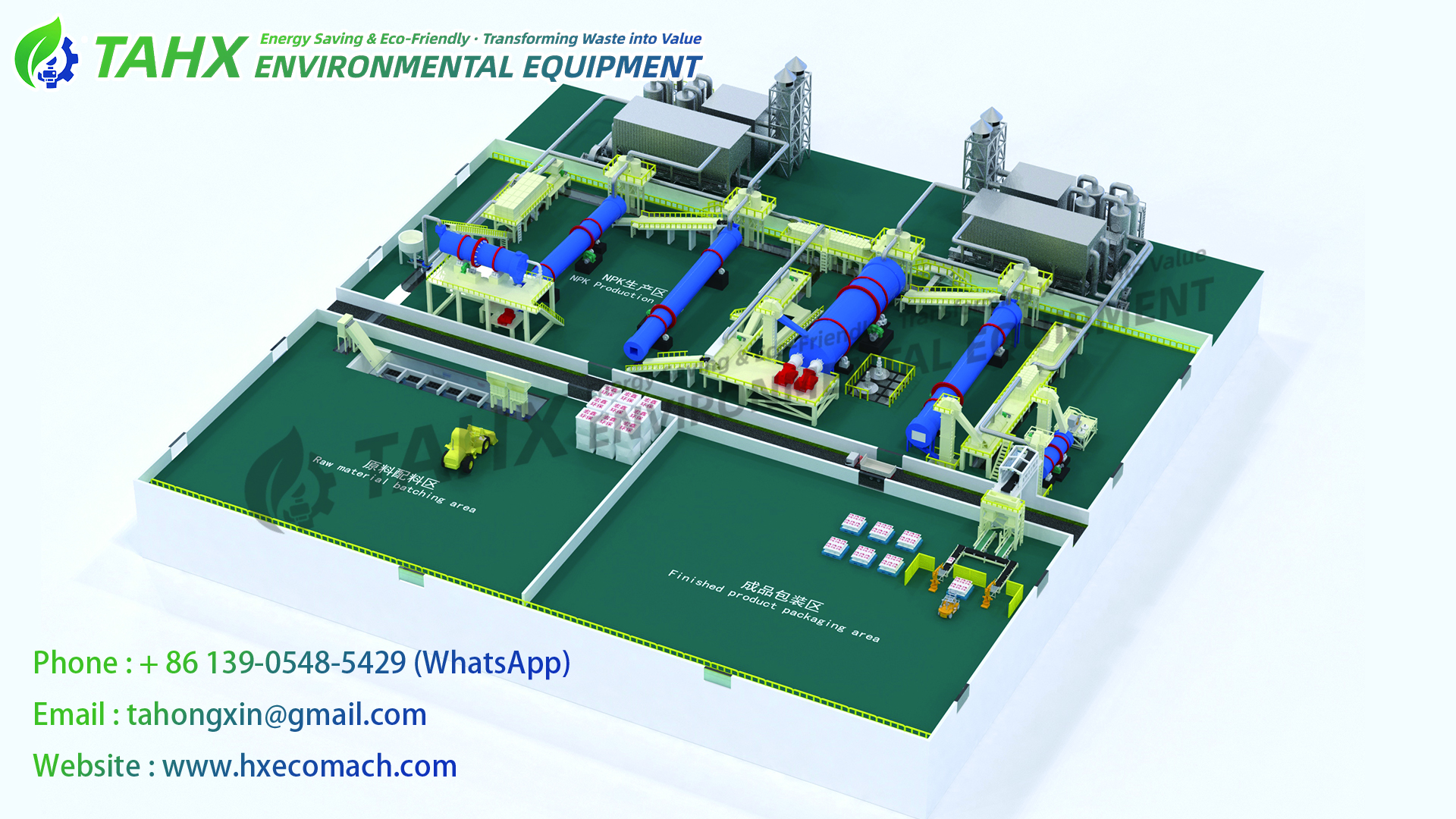
As a leading compound fertilizer equipment manufacturer and organic fertilizer equipment manufacturer, Taian Hongxin Environmental Protection Equipment Co., Ltd. supplies advanced fertilizer granulating equipment and organic fertilizer granulators as part of our complete fertilizer processing machinery solutions globally.
I. Key Advantages & Limitations of Rotary Drum Granulators
1. Core Advantages
-
Massive Production Capacity: Single-machine output ranges from 5 to 30 tons/hour (up to 50 tons/hour for large-scale plants), making it the premier choice for commercial fertilizer processing plants.
-
Superior Granule Quality & High Strength: Produces dense, spherical granules with excellent flowability and narrow size distribution (predominantly 2–5 mm).
-
Supports Steam & Thermal Granulation: Allows injection of steam or hot air (80–120°C) during granulation, enhancing binder activation and reducing downstream drying loads.
-
Durable & Low Maintenance: Heavy-duty structural design lined with anti-corrosion, wear-resistant rubber or stainless steel sheets to minimize material sticking and equipment wear.
-
Continuous 24/7 Automation: Seamlessly connects with downstream drying, cooling, screening, and coating systems for fully automated manufacturing.
2. Key Operational Limitations
-
Requires Binders & Downstream Drying: Uses wet agglomeration, meaning granules must pass through rotary dryers and coolers within the fertilizer production equipment chain.
-
Recycle Ratio Requirement: Achieves an 80%–90% balling rate, requiring 10%–30% of undersized fines and oversized blocks to be recycled back into the system.
-
Sensitive to Extremely Sticky Materials: Feedstock with excessive moisture or high viscosity requires pre-treatment or specialized non-stick rubber liners.
II. Working Principle & Process Workflow
The rotary drum granulator operates via a tilted rotating wet-tumbling agglomeration method:
-
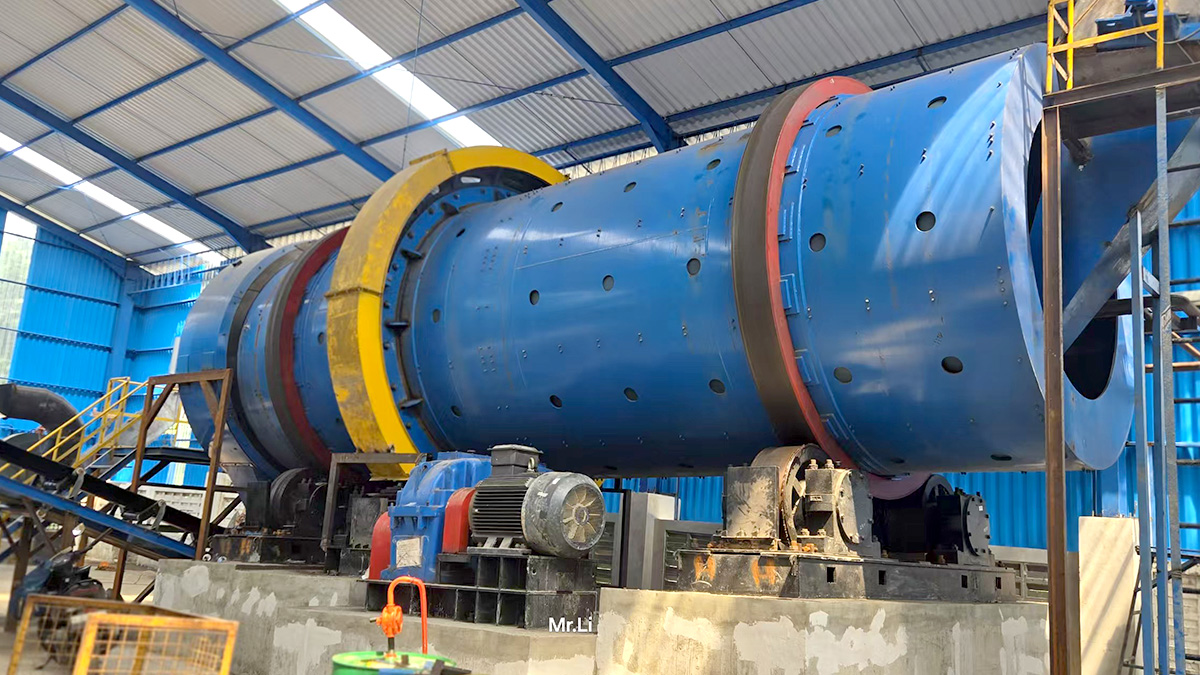
Tilted Rotation & Tumbling Bed: The cylinder is mounted at a 3°–5° incline and rotates at 10–25 r/min. Internal lifting flights continuously pick up and drop the feed powder, creating a rolling material bed.
-
Atomized Spraying & Agglomeration: High-pressure nozzles inject steam, water, or liquid binders (such as starch, bentonite, or slurry) at the inlet. The rolling powders collide, bind, and grow layer-by-layer into spherical nuclei.
-
Continuous Discharge: Material resides in the drum for 5–10 minutes. Qualified granules automatically discharge over the retaining ring at the lower outlet, while screened return powder flows back for continuous re-granulation.
III. Equipment Comparison: Rotary Drum vs. Disc vs. Double Roll Granulator
When selecting complete fertilizer processing machinery, choosing the right granulator depends on required capacity and material properties:
| Comparison Metric | Rotary Drum Granulator | Disc Granulator (Pan) | Double Roll Granulator |
| Granulation Method | Wet agglomeration (Steam/Cold) | Wet tumbling agglomeration | Room-temp dry roll compaction |
| Single-Machine Capacity | 5 – 50 tons/hour (High capacity) | 0.8 – 6 tons/hour (Small-Medium) | 1 – 10 tons/hour (Small-Medium) |
| Granule Shape & Strength | Spherical ball, high strength | Spherical ball, moderate strength | Irregular flake/tablet, high density |
| Drying Requirement | Requires steam/water & drying | Requires water/binder & drying | No water, NO drying required |
| Best Suited For | Large NPK & Organic plants | Small-to-medium fertilizer lines | Energy-saving dry powder lines |
IV. Main Structural Components & Specifications
-
Rotary Drum Body: Heavy-duty steel shell lined with anti-sticking rubber or stainless steel plates, featuring internal spiral flights and retaining rings.
-
Drive Mechanism: Electric motor, heavy-duty reducer, ring gear, and pinion with frequency speed regulation.
-
Riding Rings & Thrust Rollers: 4 riding rollers support total weight while 2 thrust rollers prevent axial displacement.
-
Atomized Spray System: Precision high-pressure nozzles for uniform binder or steam injection.
Standard Technical Parameters (Medium Model Reference):
-
Drum Diameter / Length: 1.5–2.5 m / 4–8 m (L/D Ratio: 3–5:1)
-
Rotation Speed & Inclination: 15–20 r/min (Variable speed), 3°–5° installation angle
-
Balling Rate & Size: Balling rate ≥ 80%, qualified granule size 2–5 mm
-
Reference Capacity: 10–20 tons/hour (Power: 30–75 kW)
Tai'an Hongxin Environmental Equipment
Reliable Manufacturer of High-Quality Fertilizer Production & Waste Treatment Lines.
Tai'an Hongxin Environmental Equipment:
Supply of High-Quality and Efficient Fertilizer Production Equipment, Straw Processing Equipment, Waste Treatment Equipment and Mining Equipment. If you are looking for fertilizer production equipment and production lines, feel free to contact us at any time.- Whatsapp(Tel): + 86 139-0548-5429( Mr. Li)
- E-mail: tahongxin@gmail.com