Description
Need Factory Price or Custom Solution?
Get a instant quotation with product catalog within 24 hours.
Get A Quote Now →How to Set Up a Small-Scale Organic Fertilizer Production Line: Requirements & Processes
A small-scale organic fertilizer production line is a highly profitable and eco-friendly venture for commercial farms, agricultural cooperatives, and waste management businesses. It allows you to convert livestock manure (chicken, cow, pig), crop residues, and food waste into premium market-ready fertilizer.
Generally, an organic fertilizer plant with an annual capacity of 5,000 to 20,000 tons is classified as a small-scale line. Depending on your budget and market demand, you can invest in either a powdered organic fertilizer line or a pellet/granular organic fertilizer production line.
Before buying the machinery, what conditions do you need to prepare? And how does the complete manufacturing process work? Let's dive into this turnkey guide based on decades of industrial manufacturing expertise.
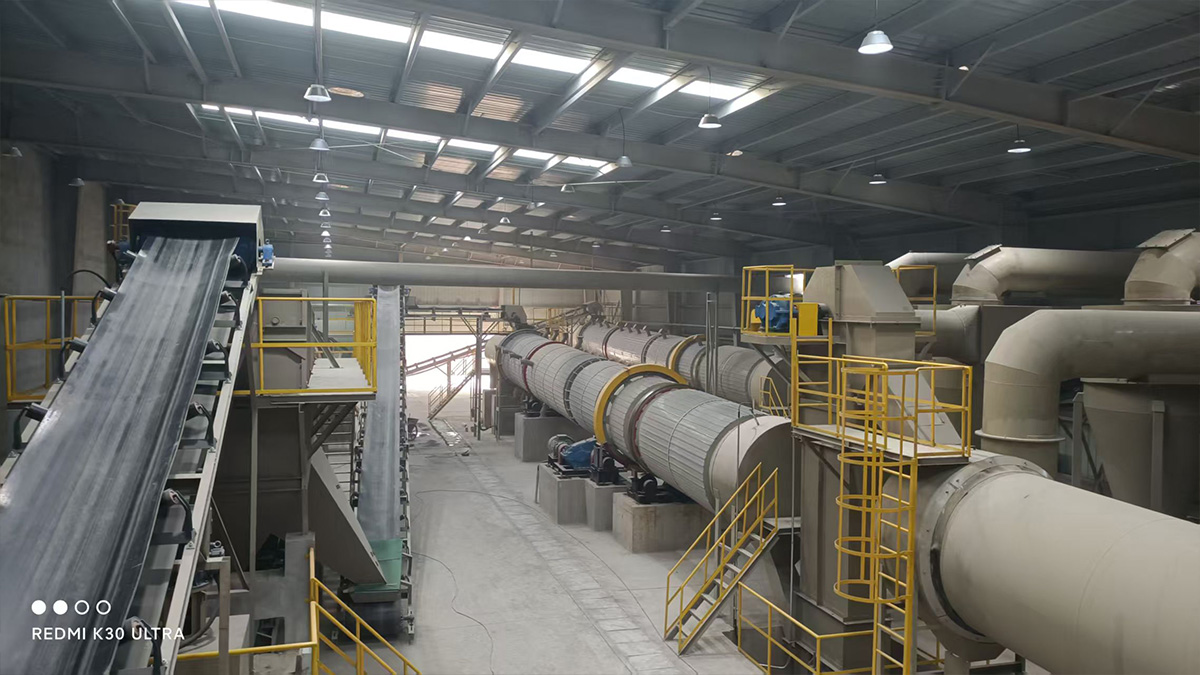
Part 1: 7 Essential Conditions for Setting Up a Small Organic Fertilizer Plant
To ensure a smooth setup and quick return on investment (ROI), your project must meet the following seven foundational requirements:
1. Compliance with Environmental Policies
Environmental regulations for agricultural waste management are tightening globally (especially in Southeast Asia, the Middle East, and Latin America). Your factory must comply with local odor control, dust emission, and wastewater management standards.
2. Reliable Supply of Raw Materials
The location of your plant should ideally be within a 50km radius of your primary raw material sources (such as large poultry farms or sugar mills). Proximity drastically reduces logistics and transportation costs, which heavily impact your profit margins.
3. Clear Typology of Raw Materials
Are you processing chicken manure, cattle dung, vermicompost, or bio-waste? The moisture content and chemical composition of the materials dictate the specific configuration of your equipment (e.g., whether you need a heavy-duty dewatering machine or specialized crushers).
4. Determination of Production Scale
Small-scale lines usually fall into four main annual capacity thresholds:
-
5,000 Tons/Year (Ideal for individual large farms)
-
10,000 Tons/Year (Standard entry-level commercial plant)
-
15,000 Tons/Year (Mid-sized regional supplier)
-
20,000 Tons/Year (Maximum threshold for small-scale industrial lines) Your target capacity directly determines the model, size, and price of the machinery required.
5. Multi-Purpose Adaptation (Optional)
Consider if your machinery can serve dual purposes. With minor adjustments, some organic compost grinding and mixing systems can also be used to produce animal feed, maximizing your equipment utilization rate.
6. Resource Recycling Integration
High-efficiency plants often link with biogas projects. You can utilize agricultural waste to generate energy first, and then use the remaining biogas residue (digestate) as excellent, pathogen-free raw material for your organic fertilizer line.
7. Factory Site and Land Investment
You need to secure adequate land for:
-
Raw material storage area (requires good ventilation)
-
Composting and fermentation workshop (the largest space requirement)
-
Granulation and processing workshop
-
Finished fertilizer warehouse
Part 2: Powder vs. Granule: The Core Manufacturing Processes
Understanding the mechanics of the machinery helps you choose the right setup. The powdered fertilizer line is actually the foundational phase of the granular fertilizer line.
If you choose a complete organic fertilizer granule production line, the material will go through the following 8 specialized industrial stages:
Step 1: Fermentation & Composting
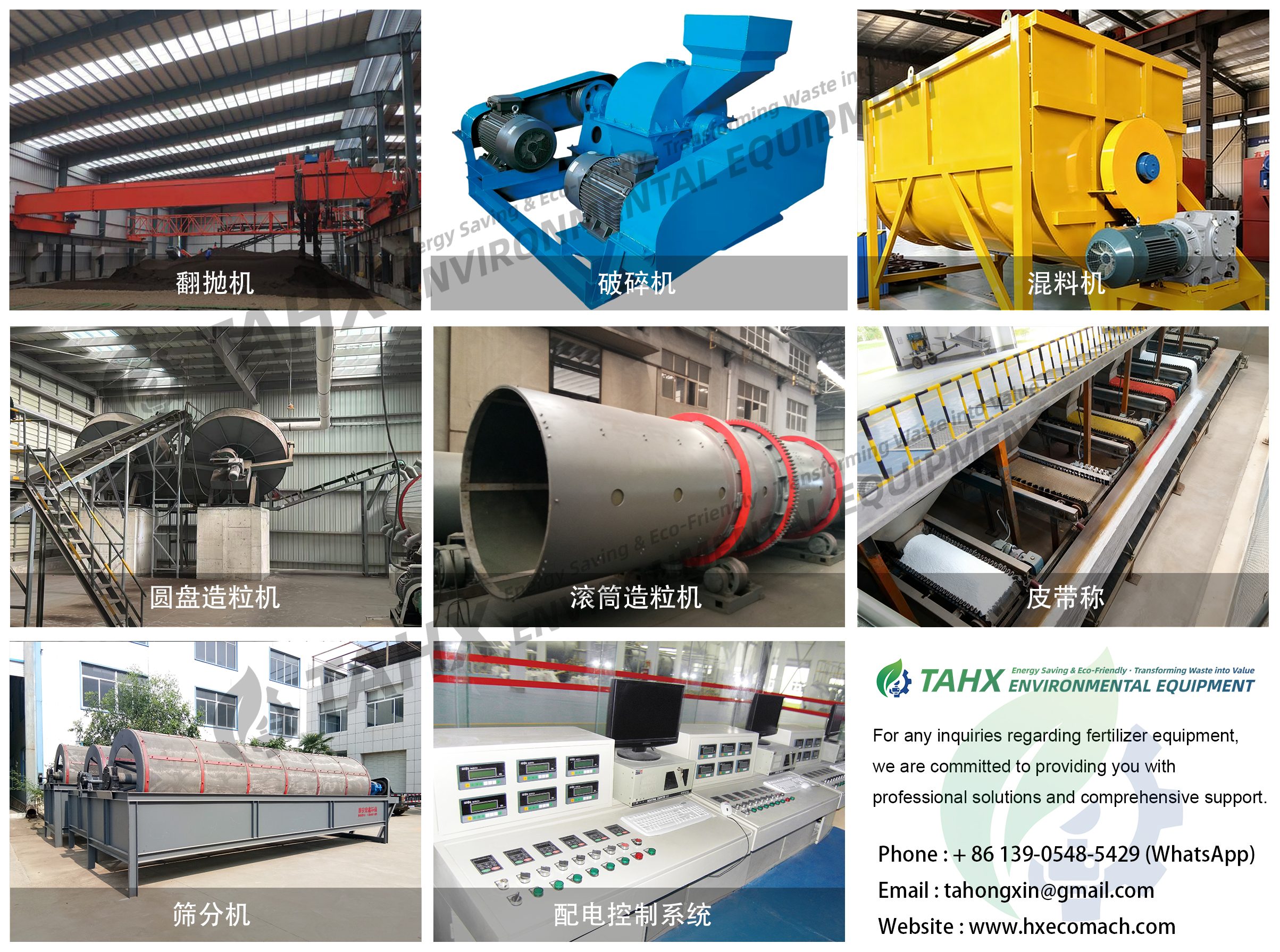
The raw organic waste undergoes aerobic fermentation to eliminate pathogens, weed seeds, and insect eggs. An automated Groove-type Compost Turner or an intelligent In-vessel Fermentation Tank is used to flip the compost, regulate oxygen, and accelerate decomposition.
Step 2: Crushing / Grinding
After fermentation, the composted material can be clumpy. A high-efficiency Semi-Wet Material Crusher is used to grind the compost into a fine, uniform powder.
Step 3: Screening & Batching
The crushed material is screened to remove large impurities. At this stage, if you want to make enriched organic-inorganic compound fertilizer, an automated batching system adds precise amounts of N, P, K, or micro-nutrients.
Step 4: Mixing
A horizontal or vertical fertilizer mixer blends the organic compost and added nutrients thoroughly to ensure consistent nutrient distribution in every batch.
💡 Note: If you only plan to sell powdered organic fertilizer, your line ends here, and the material goes straight to the final packaging stage.
Step 5: Granulation / Pelleting
This is the heart of the granular line. The powder is fed into a New Type Organic Fertilizer Granulator or a Rotary Drum Granulator. Through centrifugal force and mechanical motion, the powder is transformed into dense, round, aesthetic fertilizer pellets (usually 2–4mm).
Step 6: Drying & Cooling
The freshly formed granules contain high moisture and are soft. They pass through a Rotary Drum Dryer to reduce moisture below 14%, and then a Rotary Cooler to lower the temperature, drastically increasing granule hardness and preventing caking during storage.
Step 7: Coating / Polishing
The cooled granules enter a coating machine where a thin protective layer or functional micro-elements/beneficial bacteria are sprayed onto the surface. This gives the pellets a smooth finish and enables slow-release capabilities.
Step 8: Automated Packaging
Finally, the premium organic granules are transferred to an automated bagging machine with an integrated weighing system, which accurately packs the fertilizer into 25kg, 50kg, or jumbo bags, ready for commercial sale.
Conclusion: Getting Started with Sourcing
Setting up a small-scale organic fertilizer plant is an excellent way to turn agricultural liability into a highly profitable commodity. By aligning your local raw material supply with the right industrial machinery, you can establish a highly efficient, sustainable business.
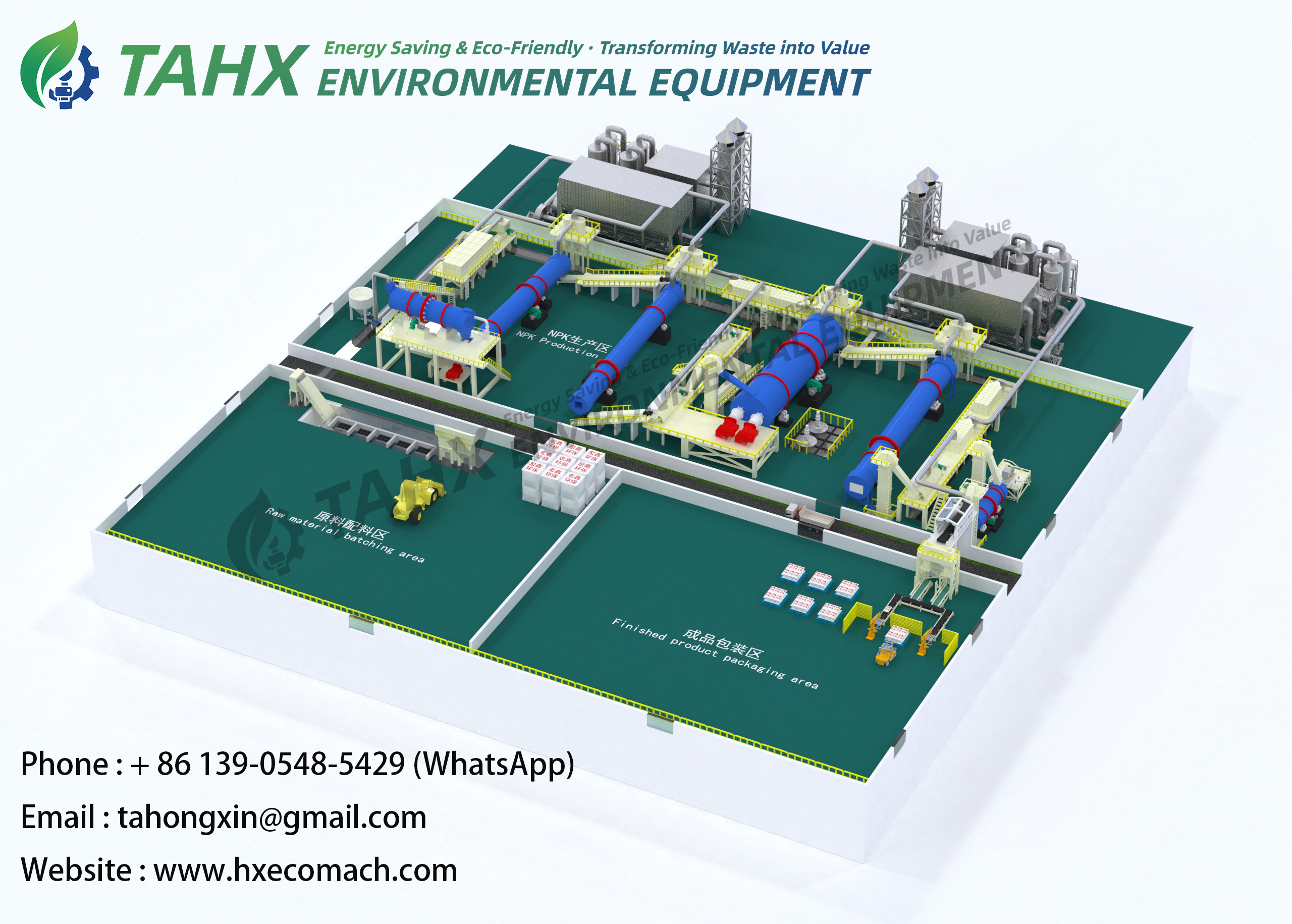
Tai'an Hongxin Environmental Equipment
Reliable Manufacturer of High-Quality Fertilizer Production & Waste Treatment Lines.
Tai'an Hongxin Environmental Equipment:
Supply of High-Quality and Efficient Fertilizer Production Equipment, Straw Processing Equipment, Waste Treatment Equipment and Mining Equipment. If you are looking for fertilizer production equipment and production lines, feel free to contact us at any time.- Whatsapp(Tel): + 86 139-0548-5429( Mr. Li)
- E-mail: tahongxin@gmail.com